Understand what soft washing and pressure contribute
Soft washing generally combines a compatible solution, controlled dwell, and a measured rinse rather than relying on high impact. It may fit algae-like film, organic growth, pollen, bird residue, mildew-like staining, and some atmospheric soil on tested materials. Lower pressure does not remove the need for accurate dilution, surface testing, plant and equipment protection, air-intake review, public separation, and runoff planning. Chemistry can affect metals, glazing, sealants, coatings, vegetation, and nearby finishes when the plan is careless.
Pressure washing relies more on water impact and may fit compatible concrete, service courts, loading aprons, curbs, and selected pavement. Excessive force can etch concrete, expose aggregate, disturb mortar, lift paint, damage EIFS or stucco, move joint material, or drive water into openings. Pressure is not one setting: nozzle, distance, flow, dwell, surface condition, rinse path, and operator control all change the result. A defensible quote explains the method by zone and the finish that is reasonably expected.
Match the method to Lake Charles materials and deposits
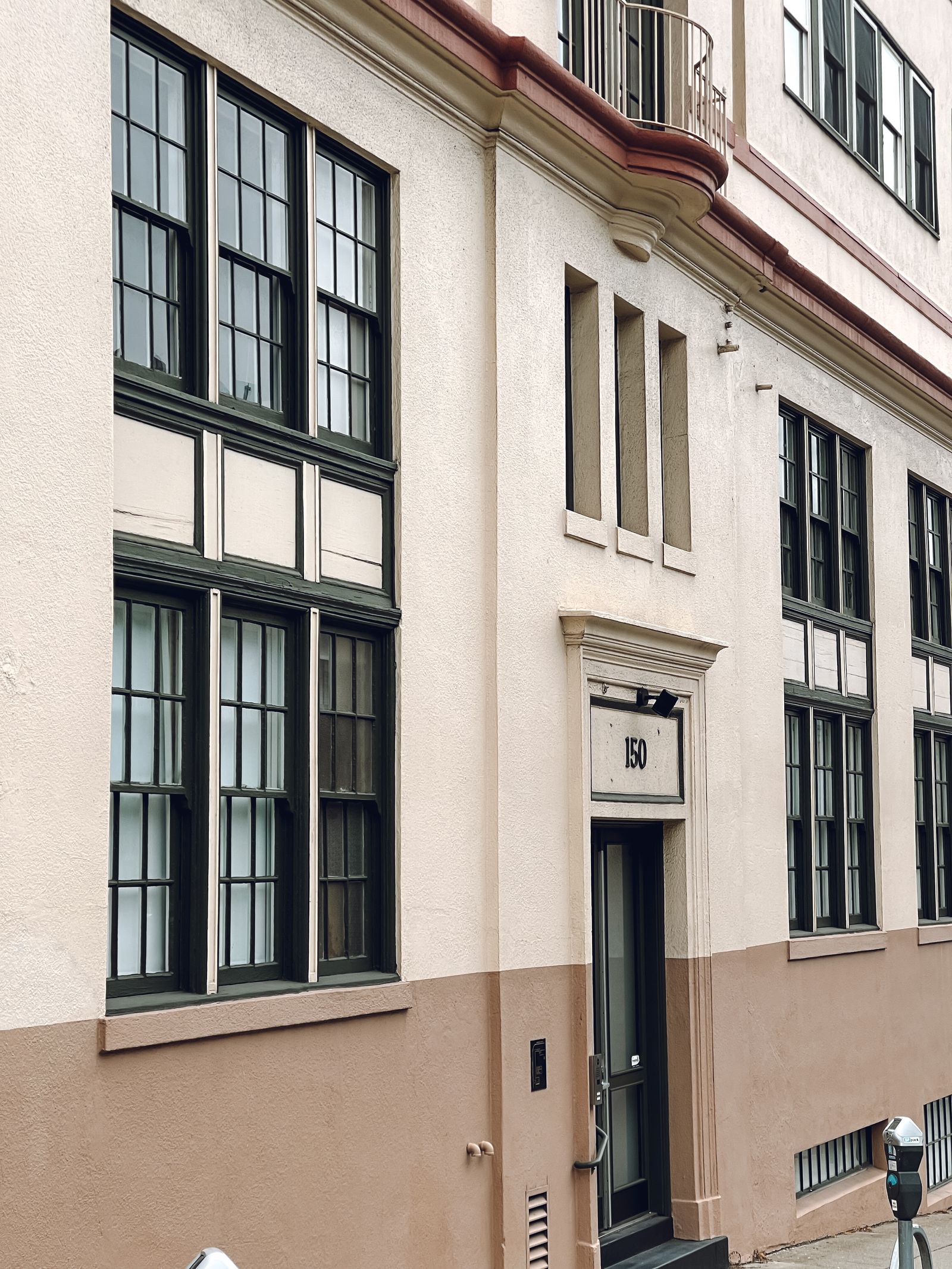
Downtown buildings may have older brick and mortar, detailed entries, painted trim, glass, canopies, and compact sidewalks. Prien Lake retail properties may combine storefront glazing, coated panels, concrete bands, monument signs, parking-lot splash, and landscape beds. Medical corridors may add covered drop-offs, patient routes, sensitive equipment, and air intakes. I-10 and industrial properties may have metal panels, loading bays, durable aprons, exhaust or diesel film, dust, salt exposure, oxidation, and storm-borne soil. A method appropriate for a loading apron can be wrong for a painted office elevation beside it.
The deposit provides another clue. Green or dark film on a damp shaded wall may be a candidate for tested soft washing. White crust may be salt, minerals, or efflorescence. Orange or brown marks may be oxidation or metal runoff. Black film may be traffic, exhaust, soot, or organic soil. Streaks below a parapet, gutter, downspout, or canopy may return because water is following the same route. Increasing pressure without identifying the deposit can damage a surface and still leave the underlying problem. Testing, documentation, and realistic exclusions matter more than a blanket label.
- Review brick joints, concrete condition, glazing, metal, coatings, sealants, panels, and prior repairs.
- Identify whether the mark is organic, salt-based, mineral, oxidized, exhaust-related, storm-borne, or drainage-related.
- Use a representative test area when the finish history or cleaning response is uncertain.
- Separate routine cleaning from restoration, coating removal, glass finishing, corrosion repair, and leak work.
Let the operating day influence the method
A process that works for an empty industrial apron may be poorly suited to a downtown restaurant, clinic, hotel, or retail center. Downtown Lake Charles can involve pedestrians, curb parking, events, patios, and narrow staging. Prien Lake retail sites may need customers moving through drive aisles, multiple tenants open at once, and signs or storefronts visible throughout the work. Medical properties may need patient drop-off and accessible routes continuous. I-10 industrial sites may need gates, trailers, loading lanes, production windows, and shift changes protected. The right method is one the facility can operate around.
Ask the quote to describe staging, barriers, hose routes, noise, dwell and rinse timing, open entrances, customer separation, and handback. A pre-opening window may help a retailer; a phased bay plan may help an industrial site; a quiet elevation sequence may help an occupied medical office. Soft washing can still create a slip, chemical, overspray, or access concern. Pressure washing can create spray, noise, and impact concerns. Neither belongs on a schedule without an occupied-site plan.
Compare methods under coastal weather and drainage
Coastal humidity can keep shaded surfaces damp and change drying across the same elevation. Salt-laden air can contribute to deposits or corrosion concerns. Heat changes surface temperature and solution behavior. Rain can dilute an application and move soil toward a low spot. Wind affects spray control, barriers, vegetation, pedestrians, hoses, and aerial stability. Tropical weather and severe storms can change the access plan, leave storm residue, or reveal a drainage path that was not visible during a dry inspection. Method selection should account for the actual conditions on the date of work.
Both methods create water-management responsibilities. Lake Charles properties may drain toward curb inlets, ditches, swales, detention areas, garages, low pavement, or neighboring parcels. A storm inlet is not automatic permission for treated water or sediment to enter it. Product, soil load, rinse volume, slope, plants, receiving system, and applicable requirements determine whether diversion, collection, recovery, reduced rinse, filtration, plant protection, disposal, or authority coordination is needed. The first rinse should confirm that water is moving as planned. If a wall is repeatedly wet below a downspout or roof edge, cleaning may improve appearance without correcting the source.
Use access and testing to make a defensible choice
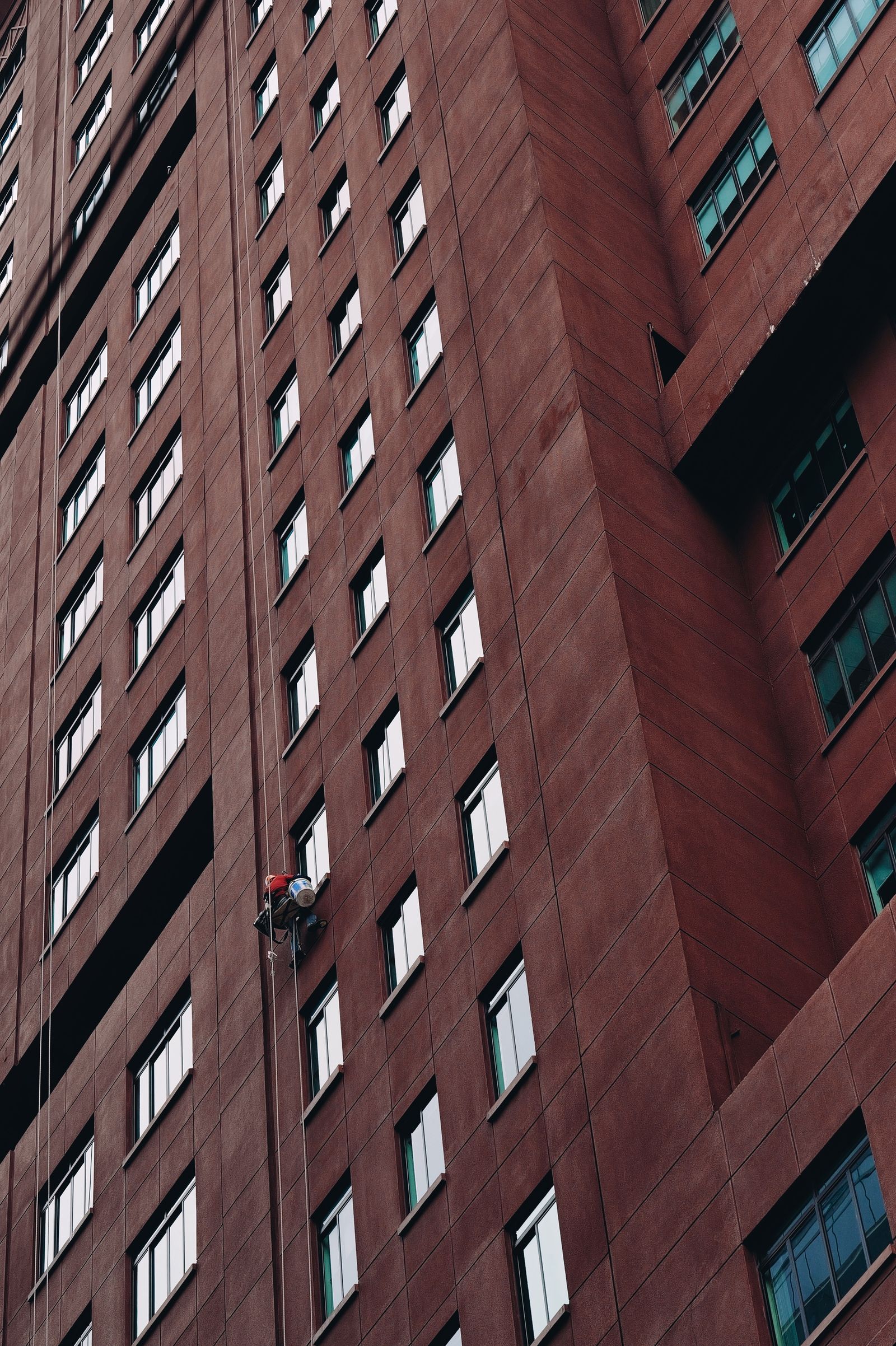
Aerial assistance may be considered for a broad upper elevation when stand-off distance, wind, visual control, launch and recovery space, public separation, airspace, security, water access, and ground coordination support it. It does not replace close condition assessment, contact-sensitive glass work, recessed details, bonded mineral deposits, repairs, or ground controls. The quote should identify aerial, lift, pole, hand, and ground zones separately. Commercial drone work remains subject to applicable Federal Aviation Administration requirements and any required authorizations.
For comparable Lake Charles bids, ask for materials and likely soils, proposed chemistry and pressure by zone, test-area expectations, access, protection, public separation, weather limits, drainage assumptions, included elevations, exclusions, and intended finish. Ask what happens if the mark is salt, mineral, oxidation, exhaust, storm residue, embedded soil, failed coating, or a recurring leak path. Share the address, photos, approximate height, priority areas, water access, drains, tenant or patient constraints, delivery schedule, security needs, and storm concerns. Call +1 239-351-2897, email contact@dronebuildingcleaners.com, or use the existing quote/contact path to begin a property-specific conversation.