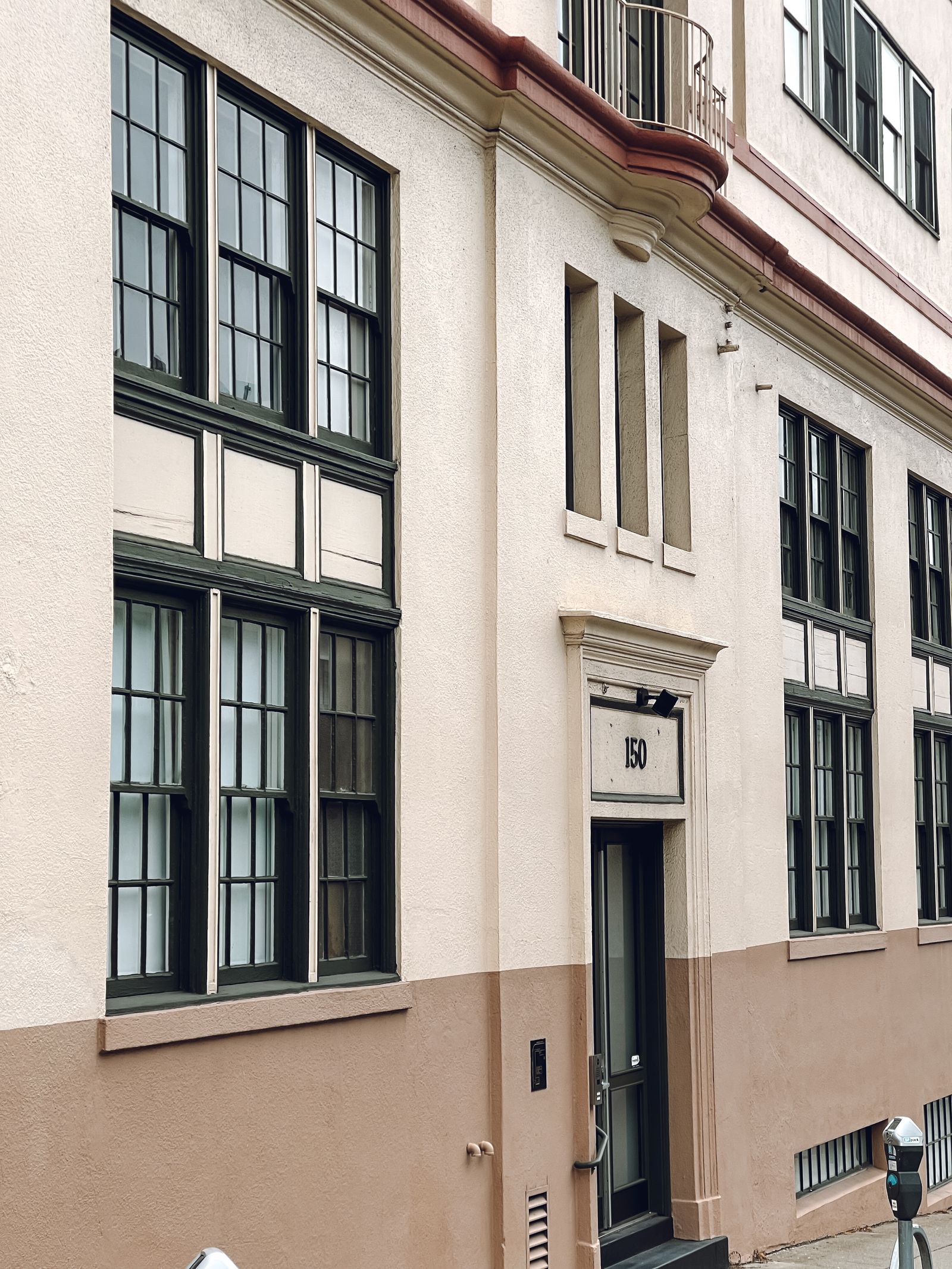
Assess the facade before choosing a wash
Lake Charles commercial buildings commonly combine brick and mortar, painted block, concrete, stucco, EIFS, metal panels, glass, stone, awnings, canopies, signs, and repaired areas. A downtown facade may put older masonry beside a newer storefront. A medical office may have a covered drop-off and patient-facing glazing. An industrial property may have broad metal elevations, loading doors, vents, electrical equipment, and traffic film. A retail center may have multiple tenant entrances and landscaping close to the wall. The method should change with the material, condition, soil, and access instead of treating every elevation alike.
Soft washing may suit compatible organic-looking growth, algae-like film, mildew-like staining, pollen, bird residue, and some atmospheric soil when the solution, dwell time, rinse, pressure, and protection are appropriate. It does not repair open joints, cracked masonry, failed sealant, corrosion, damaged coatings, roof leaks, or water intrusion. White deposits may be mineral or efflorescence; orange marks may be oxidation; dark streaks may be exhaust, storm-borne soil, or a recurring water path. A representative test area and written exclusions help set a useful expectation before the full scope is scheduled.
- Separate masonry, mortar, concrete, glass, metal, painted, coated, stucco, EIFS, and repaired zones.
- Distinguish organic film from salt or mineral deposits, oxidation, exhaust, bird residue, and drainage marks.
- Identify whether the goal is an entrance refresh, recurring maintenance, tenant turnover, or an event date.
- Keep facade repair, restoration, coating replacement, and leak investigation outside routine washing.
Build the scope around Lake Charles corridors
Downtown Lake Charles properties near Ryan Street, Broad Street, the lakefront, and civic or hospitality destinations may have compact staging, curb parking, restaurants, events, pedestrians, and storefront glass close to the work area. The cleaning sequence may need to preserve an accessible route, a hotel arrival, a restaurant patio, or a busy office entrance. A phased elevation plan can keep the most visible door open while another section is treated, rinsed, and handed back.
Around Prien Lake and the regional retail areas, shopping centers, restaurants, banks, and service businesses often share parking, drive aisles, monument signs, landscape beds, and several tenant entrances. Work may be easiest before opening or in a quieter section-by-section window. Along I-10 and nearby industrial or logistics areas, the visible problem may include dust, diesel film, salt exposure, storm residue, oxidation, or deposits around docks. Those conditions may need testing or another treatment rather than stronger pressure. Medical offices and healthcare-related buildings along Ryan Street, Nelson Road, and other active corridors may require patient drop-off, accessible routes, ambulance access where applicable, air-intake protection, and careful communication with occupants.
A quote should name the operating assumptions: business hours, tenant coordination, delivery windows, security, water access, hose routing, staging, barriers, access equipment, protection, and the person authorized to pause work. The scope should stay specific to the supplied address and avoid implying an existing relationship with a corridor, campus, retailer, healthcare facility, or industrial operator. The useful commitment is a property-specific review and a clear scope.
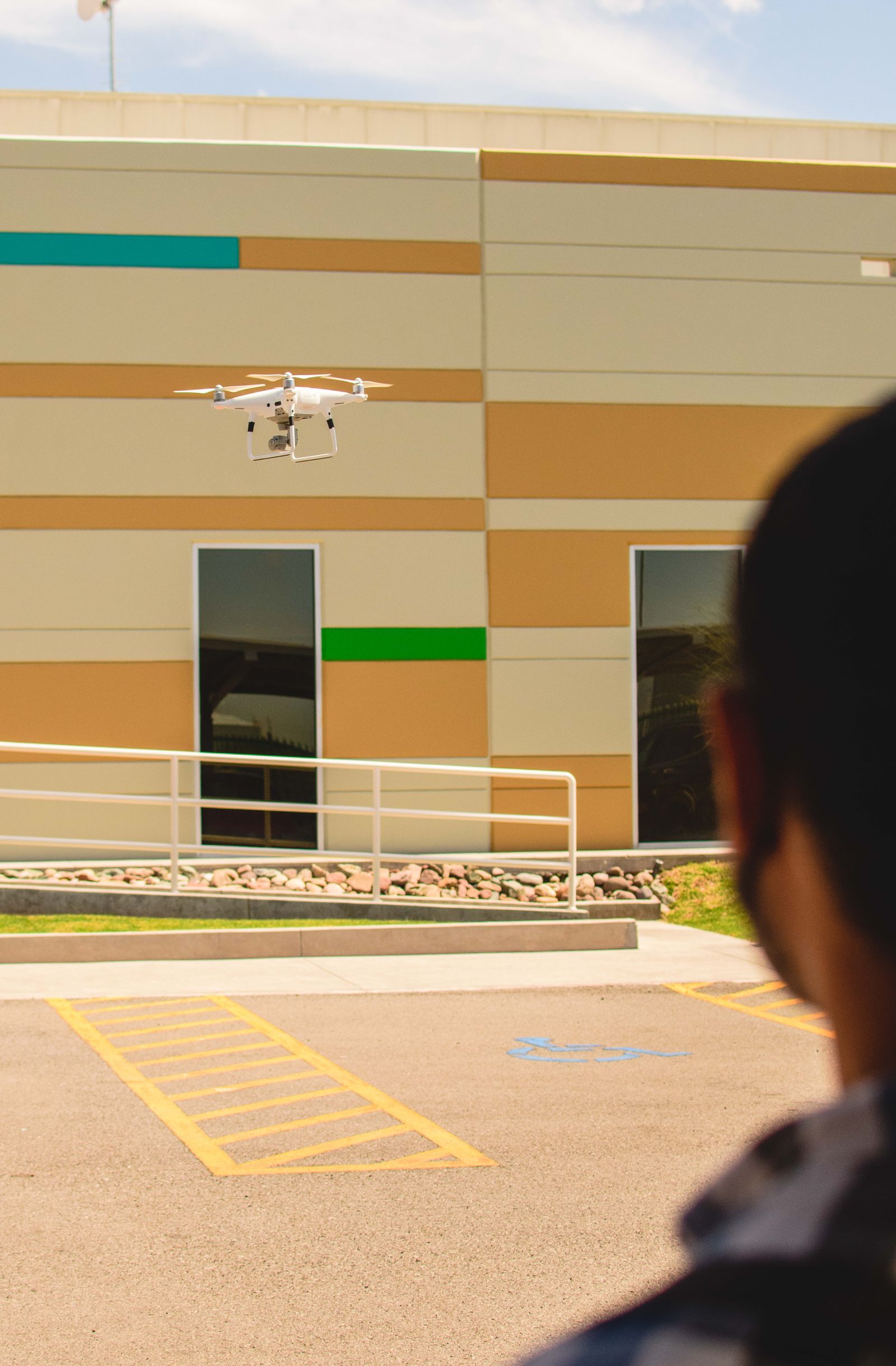
Plan for coastal humidity, salt, storms, and wind
Calcasieu Parish's humid coastal environment can keep shaded walls, covered walkways, landscape edges, north-facing elevations, and areas below roof lines damp longer. Algae-like growth and organic film can return where irrigation, condensation, poor air movement, or roof drainage keeps the surface wet. Salt-laden air and storm spray can leave deposits or accelerate corrosion on exposed metal and fasteners. Rain, tropical weather, wind, and wind-driven debris can add another layer of soil after a cleaning date is chosen. These conditions inform inspection and maintenance planning; they do not establish a fixed cleaning interval.
The work window should consider the forecast, wind, lightning, rain probability, surface temperature, humidity, drying time, and the building's activity. Wind affects spray control, plants, barriers, hoses, pedestrians, and any aerial equipment. Rain can dilute an application, move rinse water toward a low point, or expose a downspout problem. A storm pause should be agreed before equipment is staged. After severe weather, the property may need a fresh inspection for loose material, new staining, access obstructions, or changed drainage.
Repeat staining is sometimes a building or site condition. Overflowing gutters, blocked scuppers, downspouts discharging against a wall, irrigation overspray, failed sealant, roof-edge defects, ponding, or flood-related deposits can keep one section wet or dirty. The cleaning team can document a visible pattern for the owner or another trade while separating appearance work from repair, waterproofing, corrosion treatment, or flood remediation.
- Review humidity, heat, wind, rain, lightning, surface temperature, and drying before each phase.
- Check roof edges, gutters, downspouts, scuppers, irrigation, low spots, and recurring wet paths.
- Protect vegetation, air intakes, finishes, equipment, and public routes from chemistry and overspray.
- Set weather pause, reschedule, and post-storm inspection expectations before mobilization.
Protect an occupied site and manage water deliberately
Before solution or rinse water is applied, map customer and employee entrances, accessible paths, patient routes, loading areas, air intakes, cameras, electrical equipment, landscaping, vehicles, signs, outdoor seating, and neighboring tenant space. A medical office may need a continuous patient route. A retail property may need one drive aisle open at all times. A downtown hotel or restaurant may need arrivals, patios, and deliveries coordinated. An industrial site may require a gate, bay, production area, or shift route protected. The field plan should identify barriers, spotters, hose routes, water access, emergency access, and the authorized pause contact.
Lake Charles sites may drain toward curb inlets, grass swales, ditches, detention areas, parking-deck ramps, low pavement, or neighboring parcels. A storm drain is not automatic permission for treated water or sediment to enter it. Depending on the products and soil, controls may include diversion, collection, recovery, reduced rinse volume, filtration, plant protection, disposal, or coordination with the responsible authority. The first rinse should be watched so the plan can be adjusted if water moves differently than expected. Flood-prone or recently storm-affected areas deserve particular care around doors, low walls, garages, and occupied paths.
A closeout record can show completed elevations, remaining deposits, pre-existing damage, and conditions that need another trade. The quote should distinguish cleaning from glass polishing, masonry restoration, roof work, corrosion repair, coating removal, flood cleanup, and envelope diagnosis. That clarity is useful when several tenants or departments share the site.
Request a Lake Charles quote with the right details
Send the address, building use, approximate height, facade materials, priority elevations, desired timing, operating hours, water access, nearby drains, access restrictions, and known leaks, loose material, failed coatings, or previous cleaning damage. Photos of the main entrance, a shaded wall, upper elevations, roof edges, loading areas, windows, landscaping, and low drainage points help prepare a more useful review. Mention whether the objective is an event-ready entrance, recurring maintenance, tenant turnover, storm cleanup of ordinary exterior soil, or a specific stain investigation.
To discuss a Lake Charles property, call +1 239-351-2897, email contact@dronebuildingcleaners.com, or use the existing quote/contact path. Drone Building Cleaners can review whether soft washing, controlled pressure, pole work, lift access, aerial assistance, or a hybrid scope fits the materials and operating plan. A practical proposal should identify elevations, method, access, protection, weather, drainage assumptions, limitations, and work that belongs to another trade.